The Ultimate Guide to Types of Solar Panel Bird Mesh
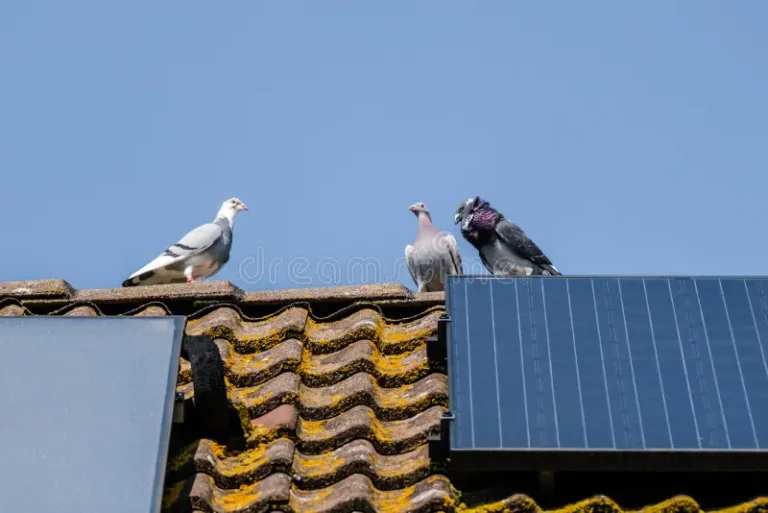
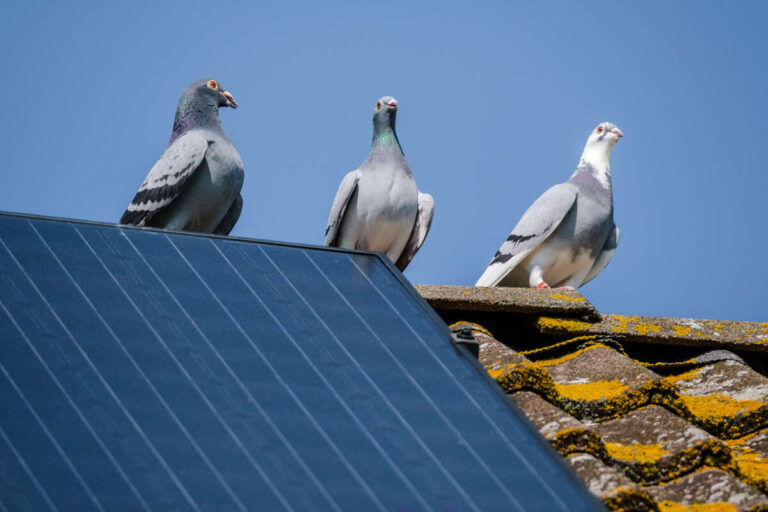
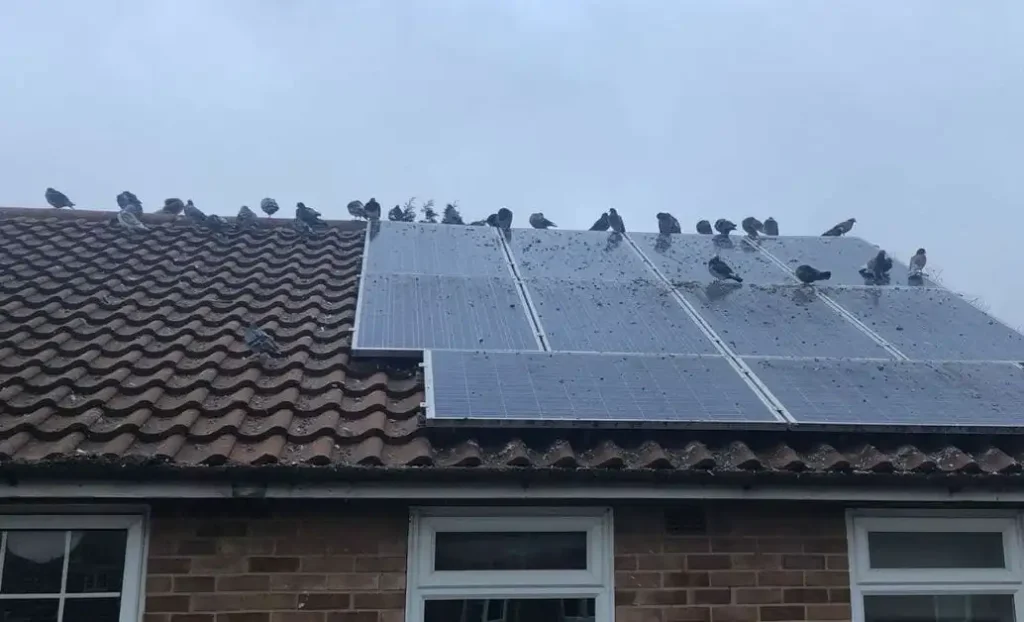
Birds, particularly pigeons, love to nest under solar panels. The space provides a safe, sheltered area for them to build nests, but their droppings and nesting materials can cause significant issues, including reduced panel efficiency, corrosion, and damage to wiring. To combat this, solar panel bird proofing mesh is a popular and effective solution. This physical barrier prevents birds from accessing the underside of the panels.
Types of Mesh Used for Protecting Solar Panels
The main differences between types of bird proofing mesh come down to the material and installation method.
Materials
The most common materials used for mesh are:
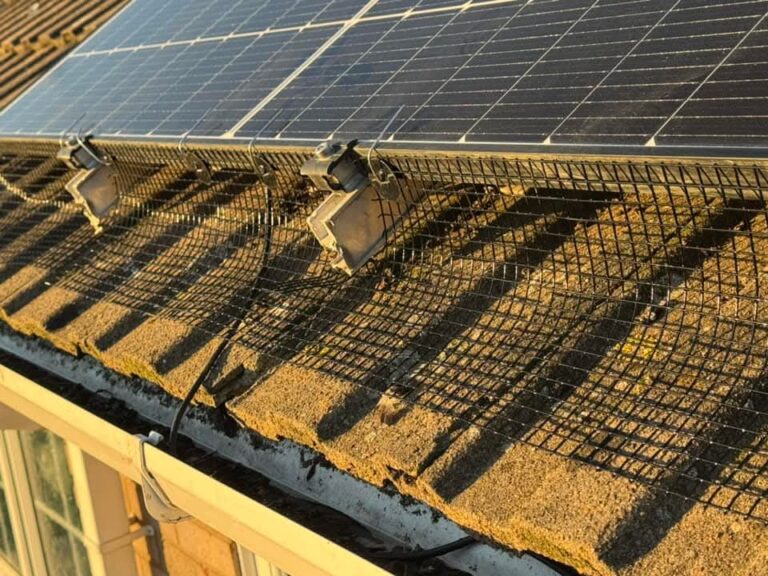
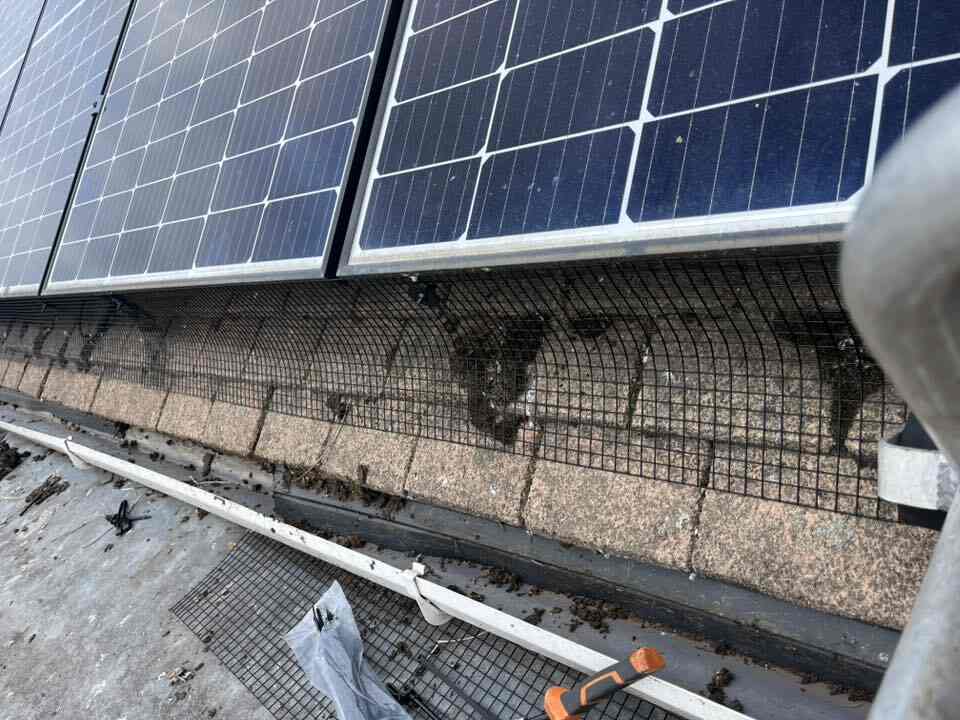
- Galvanized Steel: This is a durable and long-lasting option. The steel is coated with a layer of zinc to prevent rust and corrosion. Many galvanized steel meshes (like the one available on Nest Defend) are also further coated with black, UV-stabilized PVC, which helps the mesh blend in with the solar panels and provides an extra layer of protection against the elements.
- Stainless Steel: Known for its superior resistance to rust and corrosion, stainless steel mesh is an excellent, though often more expensive, choice.
- Plastic (HDPE): High-density polyethylene (HDPE) plastic mesh is a lighter and more economical alternative. However, it may not be as durable as metal options, especially against persistent or aggressive birds like pigeons. It can also impede ventilation, which could reduce panel efficiency.
Installation:
Installation is a crucial aspect of any mesh used for stopping birds nesting under solar panels. A poorly installed mesh can leave gaps that birds can exploit. Most mesh systems use specialized clips that attach to the solar panel frame without drilling holes. This is important because drilling into the frame can void the panel’s warranty. The clips secure the mesh tightly along the perimeter of the panel array, creating a seamless barrier.
Some systems may require cutting the mesh to fit around corners, mounting brackets, or other obstructions on the roof. While some homeowners choose to install the mesh themselves with a DIY kit, professional installation is often recommended to ensure the mesh is fitted correctly and securely, especially on steep or complex roofs.
Other Bird Deterrent Methods
While mesh is considered one of the most effective and long-lasting solutions, other solar panel bird proofing solutions exist, though they can be less reliable:
Bird Spikes:
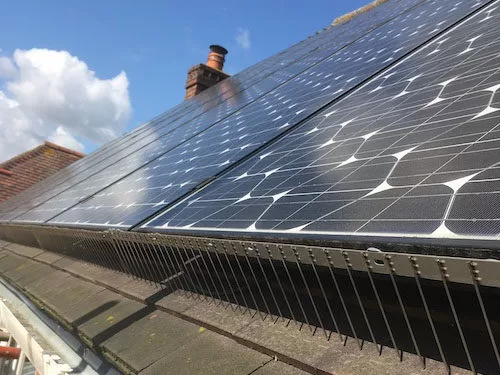
These are placed along the edges of the panels to deter birds from landing. While they prevent roosting, they don’t stop birds from accessing the space underneath to nest.
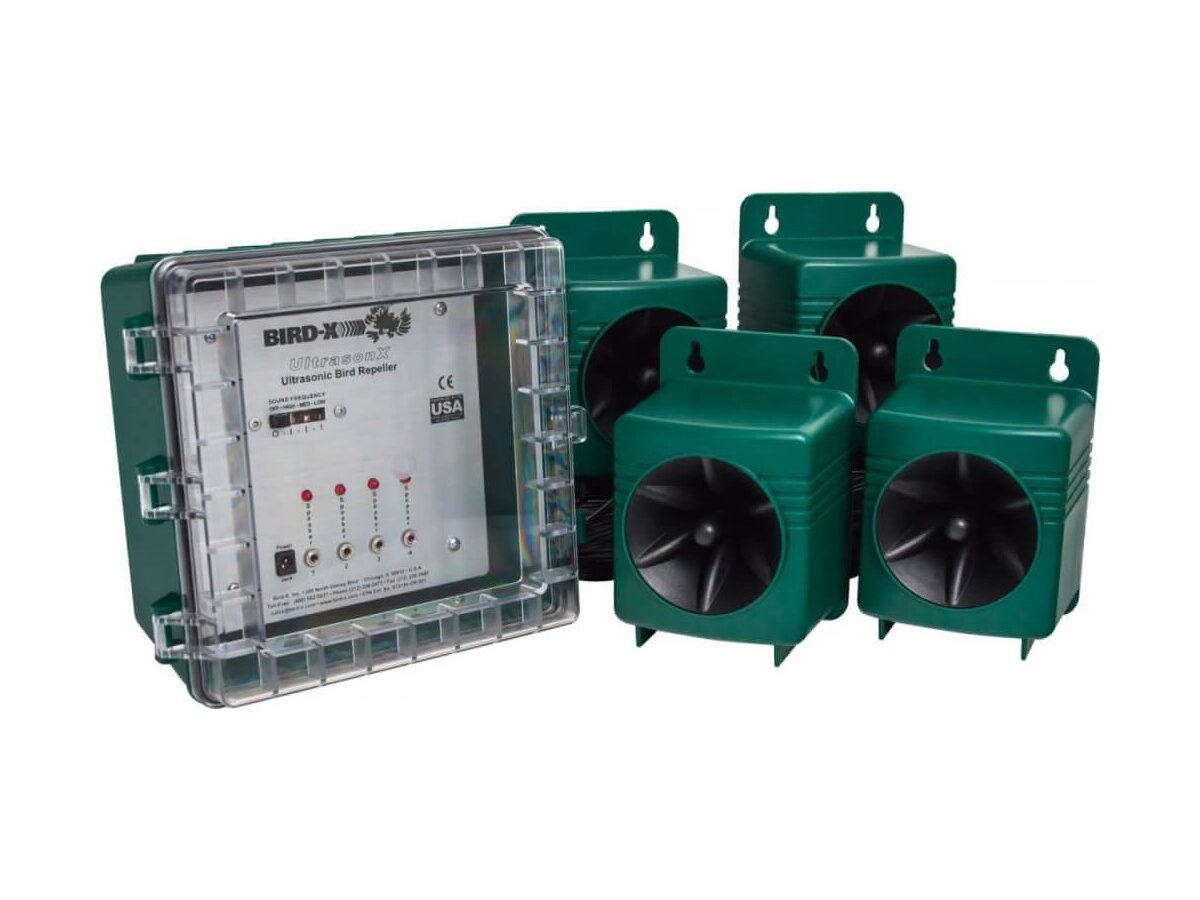
Visual and Auditory Deterrents:
Devices like plastic owls, reflective tape, or ultrasonic emitters are designed to scare birds away. However, birds are smart and often become accustomed to these static deterrents, rendering them ineffective over time.
Conclusion
By choosing a high-quality, durable mesh and ensuring it is properly installed, you can protect your solar panels from damage, maintain their efficiency, and enjoy clean energy for years to come.