Why Pigeons Nest Under Solar Panels—and How to Stop Them for Good
You spent thousands of dollars to go green, lower your carbon footprint, and save on your electric bill. But lately, instead of the quiet hum of renewable energy, you’re hearing the constant coo-coo and the frantic scratching of tiny claws on your roof.
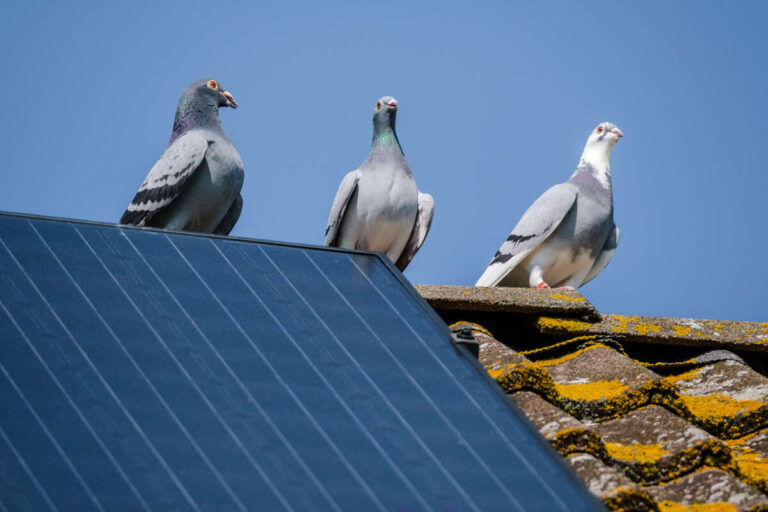
If you’ve noticed a sudden influx of feathered tenants, you aren’t alone. Pigeons and solar panels are a match made in heaven—for the pigeons, at least. For you, it’s a recipe for a headache.
So, why are these birds so obsessed with your tech? It’s not because they’re fans of renewable energy. It’s about biology.
The Ultimate Shelter:
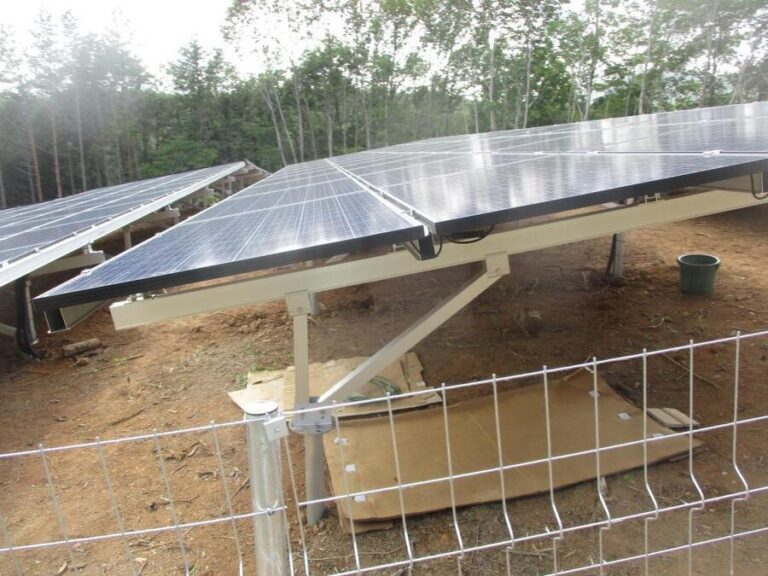
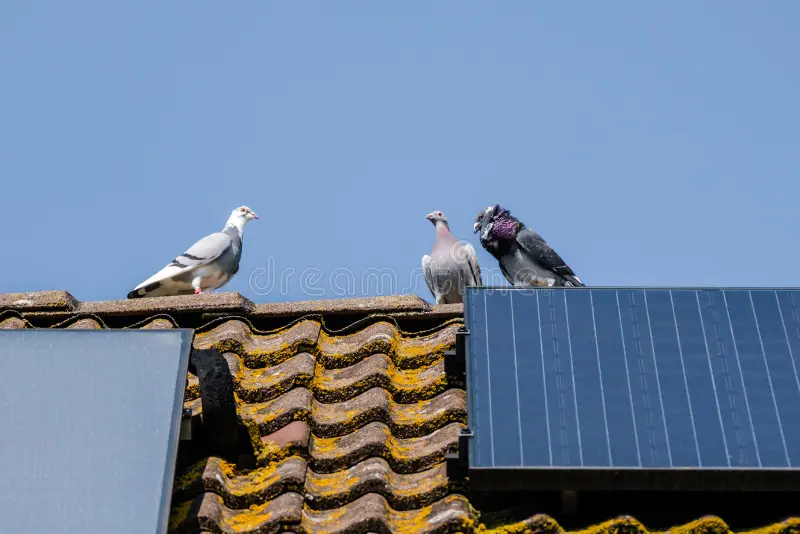
Solar panels are usually installed a few inches above the roof surface to allow for airflow and cooling. To a pigeon, that 3-to-6-inch gap isn’t just a space; it’s a secure, covered fortress.
- Weather Shielding: The panels provide a literal roof over their heads, protecting their nests from rain, wind, and the scorching midday sun.
- Protection from Predators: High up on a roof and tucked under a heavy glass sheet, pigeons are safe from hawks, cats, and neighborhood dogs.
The “Seat Heater” Effect
Pigeons are originally descended from rock doves that nested on warm Mediterranean cliffs. They love heat.
- Radiant Warmth: Solar panels absorb a massive amount of thermal energy. Even after the sun goes down, the roof tiles and the panels themselves stay warm for hours, providing a cozy “heated floor” for their nests during chilly nights.
The Perfect Vantage Point
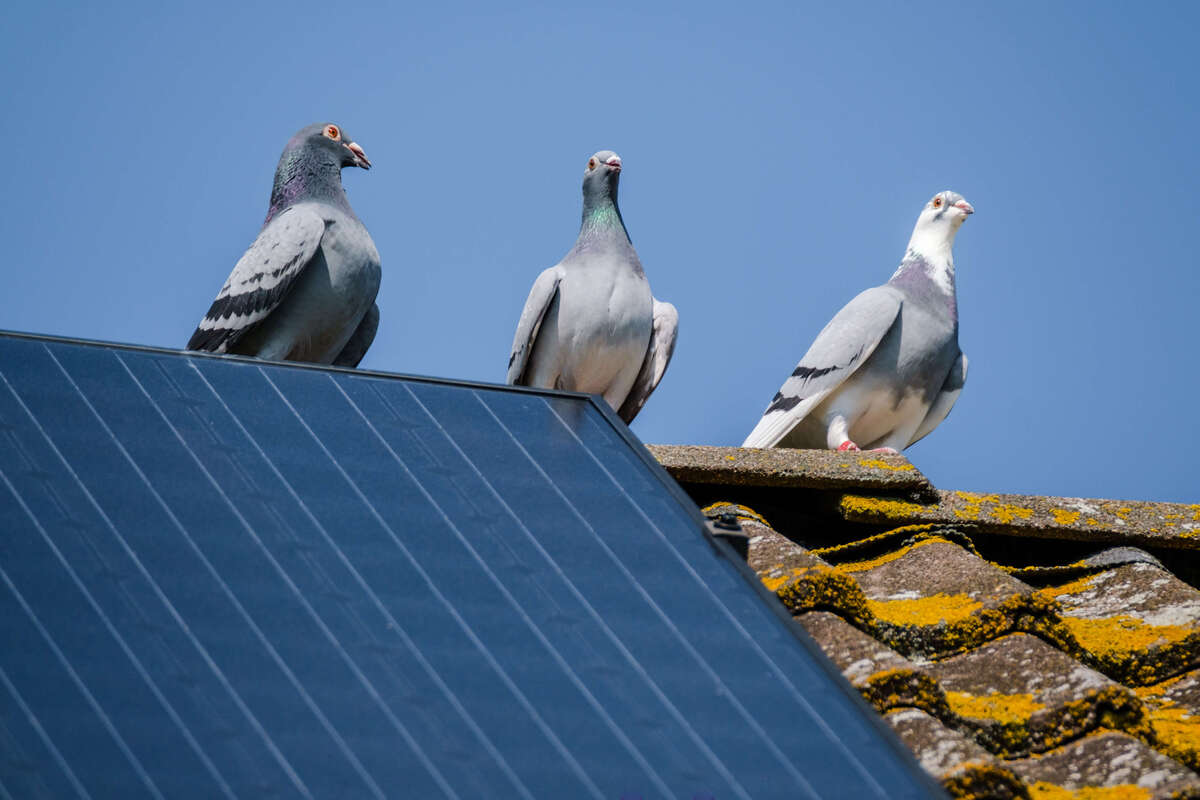
Pigeons are social birds that love to survey their kingdom. A roof with solar panels provides a high-altitude lookout where they can spot food sources and watch for danger, all while staying close to the safety of their “under-panel” home.
Why This Is Bad News for Your Investment
While it might seem harmless to give a few birds a home, “pigeon squatting” can seriously damage your solar system.
| The Problem | The Consequence |
| Acidic Guano (Poop) | Bird droppings are highly acidic and can eventually eat through the protective coating of the panels or the wiring. |
| Efficiency Drop | Just a small amount of “shading” from droppings or nesting debris can significantly reduce the power output of your entire string of panels. |
| Fire Hazards | Pigeons bring in dried grass, twigs, and feathers to build nests. If this debris touches hot electrical components, it’s a major fire risk. |
| Noise & Smell | Let’s be honest: the scratching at 6:00 AM and the smell of wet guano isn’t exactly the “eco-friendly” vibe you were going for. |
How to Evict Your Feathered Tenants:
Don’t worry—you don’t have to get rid of your panels to get rid of the birds. The goal is exclusion.
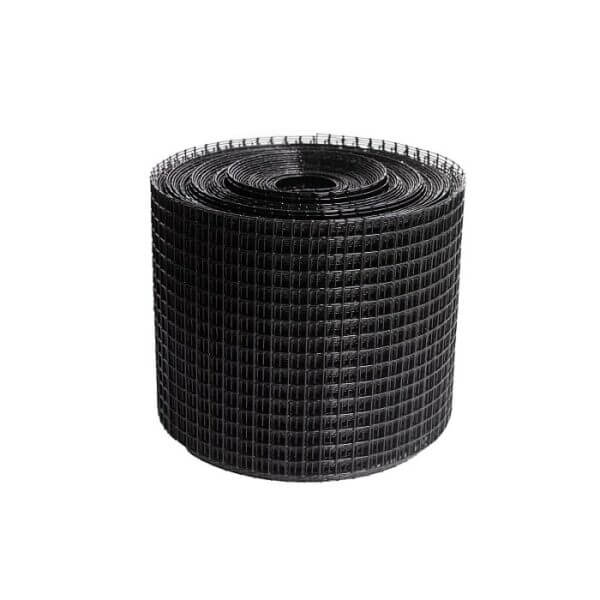
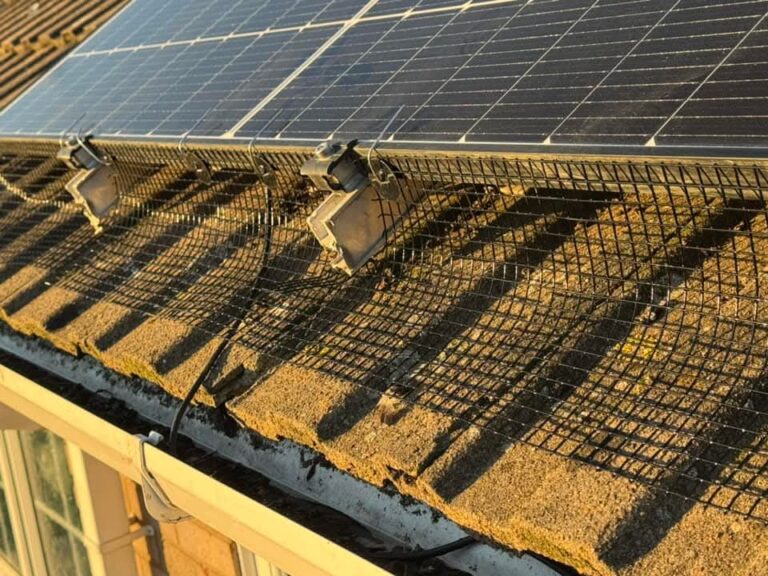
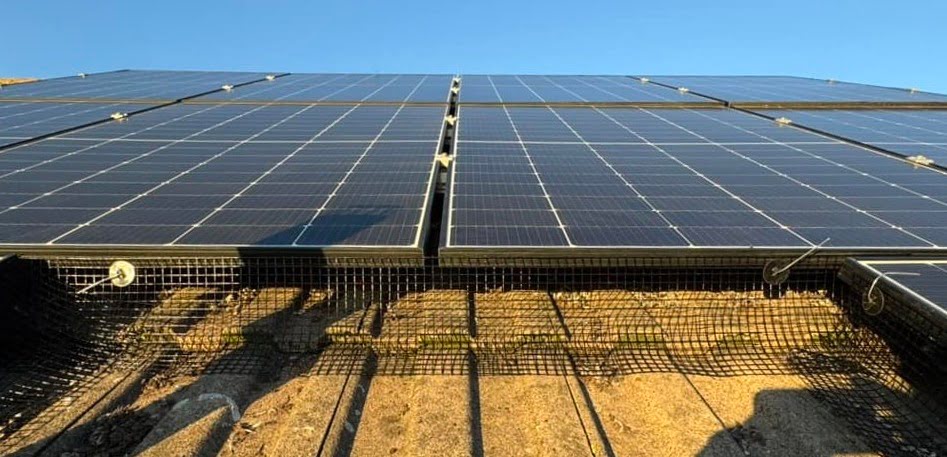
- Bird Mesh/Critter Guards: This is the “Gold Standard.” It’s a specialized wire mesh that clips to the edge of the panels, physically blocking the gap so birds can’t get under.
- Solar Spikes: Installed on the edges or “perching spots” to make it uncomfortable for birds to land.
- Professional Cleaning: Once the birds are excluded, you must have the roof professionally cleaned to remove pheromones and nesting scents that might attract new birds.
A Note on Candor: Don’t bother with plastic owls. Pigeons are smarter than we give them credit for; once they realize the “predator” hasn’t moved in three days, they’ll literally nest on top of its head.