Ground Mount Solar Bird-Proofing: Advanced Exclusion Tactics That Go Beyond Standard Mesh
When you think of solar panel bird proofing, images of pigeons nesting under rooftop panels often come to mind. But what about those expansive, efficient ground-mounted solar arrays? These installations, whether for large commercial operations or spacious residential properties, face a unique set of challenges when it comes to avian intruders. And let’s be honest, simply clipping mesh to the edges often isn’t enough.
This blog dives deep into the specific hurdles and effective, often overlooked, exclusion methods for bird-proofing ground-mounted solar arrays.
Why Ground-Mounted Arrays Attract Different Pests (and Different Problems)
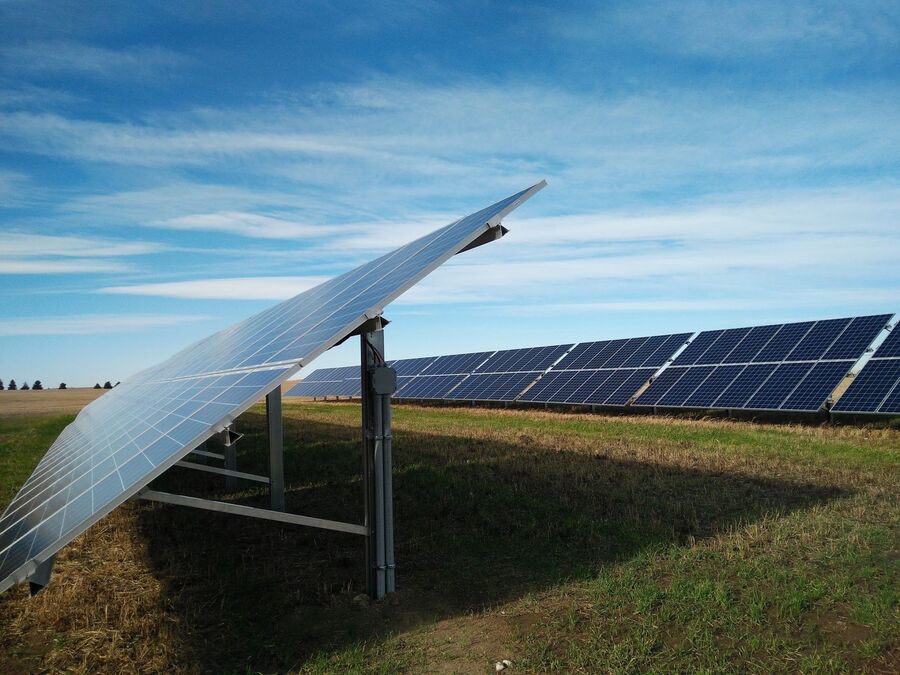
Unlike their rooftop counterparts, ground-mounted systems offer a more accessible, often undisturbed habitat. This means you’re not just dealing with urban pigeons. Depending on your location, your ground array could become home to:
- Ground-nesting birds: Sparrows, starlings, and even some types of waterfowl might see the sheltered underside as an ideal nesting site.
- Rodents: Mice, rats, and even larger burrowing animals can chew through wiring, damage foundations, and create entry points for birds.
- Larger wildlife: Rabbits, raccoons, and other critters can seek shelter or cause damage around the perimeter.
The larger scale and often greater distance from human activity mean these pests can operate with less interference, leading to significant issues like:
- Wiring damage: Chewed cables are a fire hazard and can lead to costly power loss.
- Reduced efficiency: Bird droppings can shade panels, reducing energy output and requiring frequent, expensive cleaning.
- Structural compromise: Nesting materials can build up, putting stress on panels or drainage.
- Warranty voidance: Many manufacturers have stipulations about pest damage.
The Limitations of “Just Mesh” for Ground Mounts
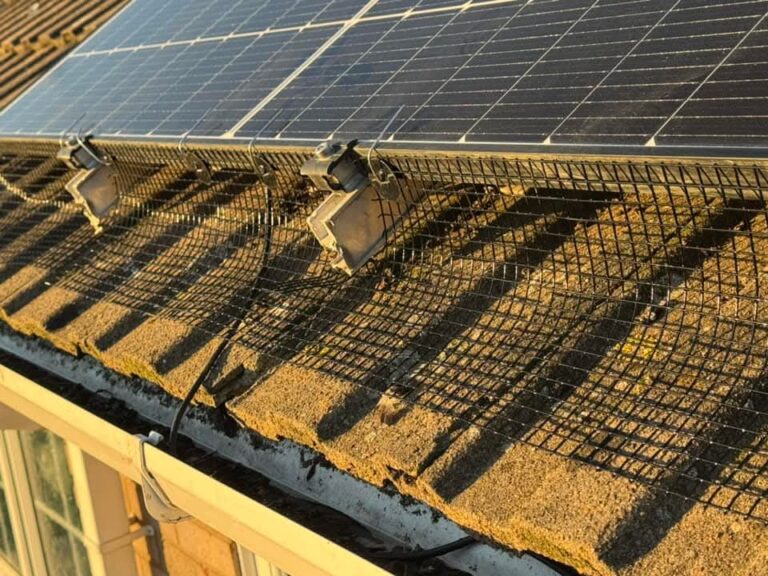
Standard solar panel bird mesh kits are fantastic for preventing pigeons from getting under individual rooftop panels. However, for ground-mounted systems, they often fall short due to:
- Scale of coverage: Ground arrays can span acres, making individual panel mesh installation impractical and cost prohibitive.
- Variable gaps: The distance between the panels and the ground can vary significantly across the array, making a uniform mesh application difficult.
- Ground access: Pests can burrow under poorly installed mesh or access the underside from the open perimeter.
- Beyond birds: Mesh alone won’t stop rodents or larger animals from accessing the area.
Advanced Exclusion Methods for Ground-Mounted Solar Arrays
So, if traditional mesh isn’t the silver bullet, what are the most effective solar bird proofing solutions for large-scale ground installations?
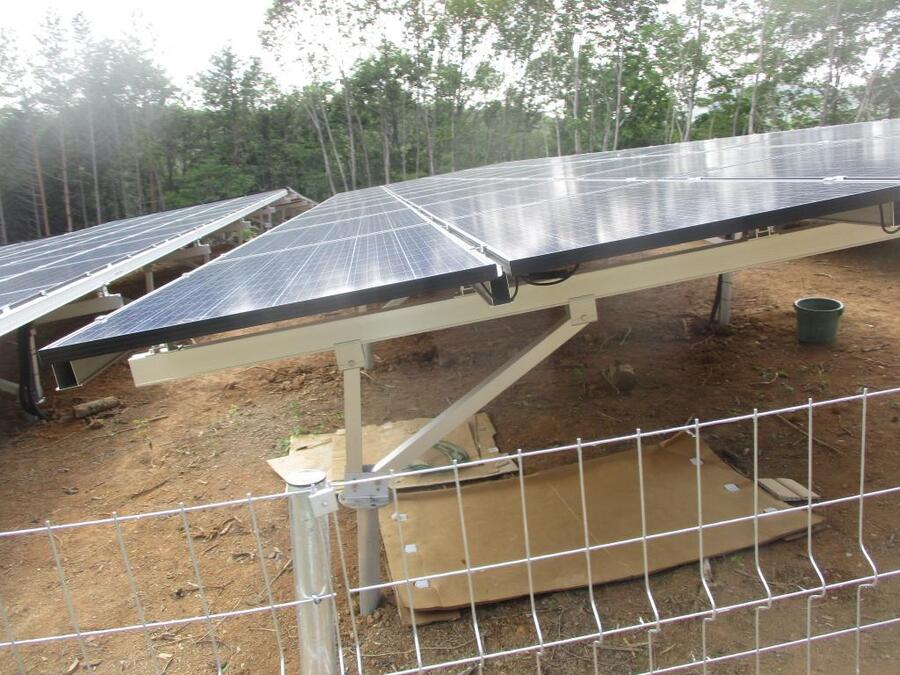
- Full Perimeter Skirting and Fencing:
- Solid Barriers: This involves installing durable materials like metal sheeting, heavy-gauge plastic panels, or even concrete barriers around the entire perimeter of the array, extending into the ground to prevent burrowing. This creates a solid, impenetrable wall.
- Heavy-Duty Fencing: For larger areas, specialized fencing with a finer mesh (and potentially an inward-facing top to deter climbing) can be used. Crucially, the fence needs to be buried a foot or more into the ground to stop burrowing animals.
- Specialized Ground-Mount Mesh & Skirting Systems:
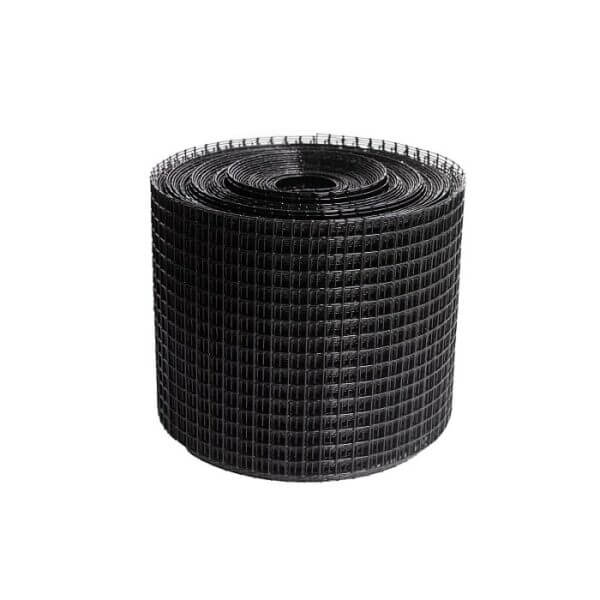
- Some manufacturers offer robust, wider, and more durable mesh or solid panel systems specifically designed for the larger gaps and ground contact of ground-mounted arrays. These often come with specialized fastening systems built for durability.
- Trenching and Burying:
- For the most secure exclusion, trenching a minimum of 12-18 inches deep around the entire array and burying a robust barrier (like hardware cloth, galvanized steel mesh, or solid skirting) vertically into the trench prevents virtually all burrowing animals and birds.
- Integrated Anti-Perching Solutions:
- Birds aren’t just nesting; they’re perching and leaving droppings. Consider installing bird spikes or tension wire systems along the top edges of the panel frames, support structures, or any prominent perching spots.
Non-Exclusion Deterrents for Large Arrays
While physical exclusion is paramount, large ground arrays can also benefit from deterrents that make the area less appealing:
- Auditory Deterrents: Ultrasonic devices or sound cannons (used with caution to avoid disturbing neighbors) can scare birds away.
- Visual/Optical Deterrents: Devices like predator eye balloons or laser bird deterrents use movement and reflections to create the illusion of a predator, discouraging birds from landing.
- Bird Gels & Repellents: For specific problem areas, non-toxic gels can make surfaces sticky and uncomfortable for birds to land on.
The Bottom Line: Protecting Your Ground-Mounted Solar Investment
Protecting your ground-mounted solar array from birds and other pests requires a more comprehensive and robust approach than typical residential solutions. By understanding the unique challenges and implementing specialized exclusion methods beyond just mesh, you can safeguard your investment, maintain optimal energy production, and avoid costly repairs.